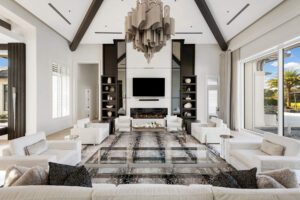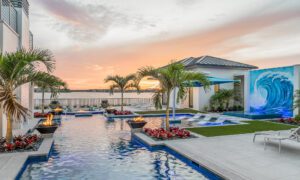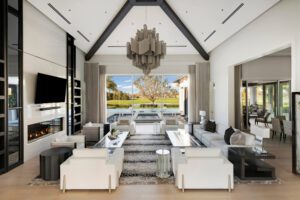


When it comes to building a custom luxury home, one of the most important design decisions is defining the overall architectural direction. For many homeowners, that conversation begins with modern vs traditional homes. Both styles offer beauty, comfort, and sophistication, but they create very different living experiences.
Choosing between modern and traditional homes is not simply about appearance. It is about how a home feels, how it functions, and how each space supports the way you live. From clean architectural lines to timeless detailing, the right design approach should reflect your lifestyle, your taste, and your vision for everyday living.
Understanding Modern Home Design
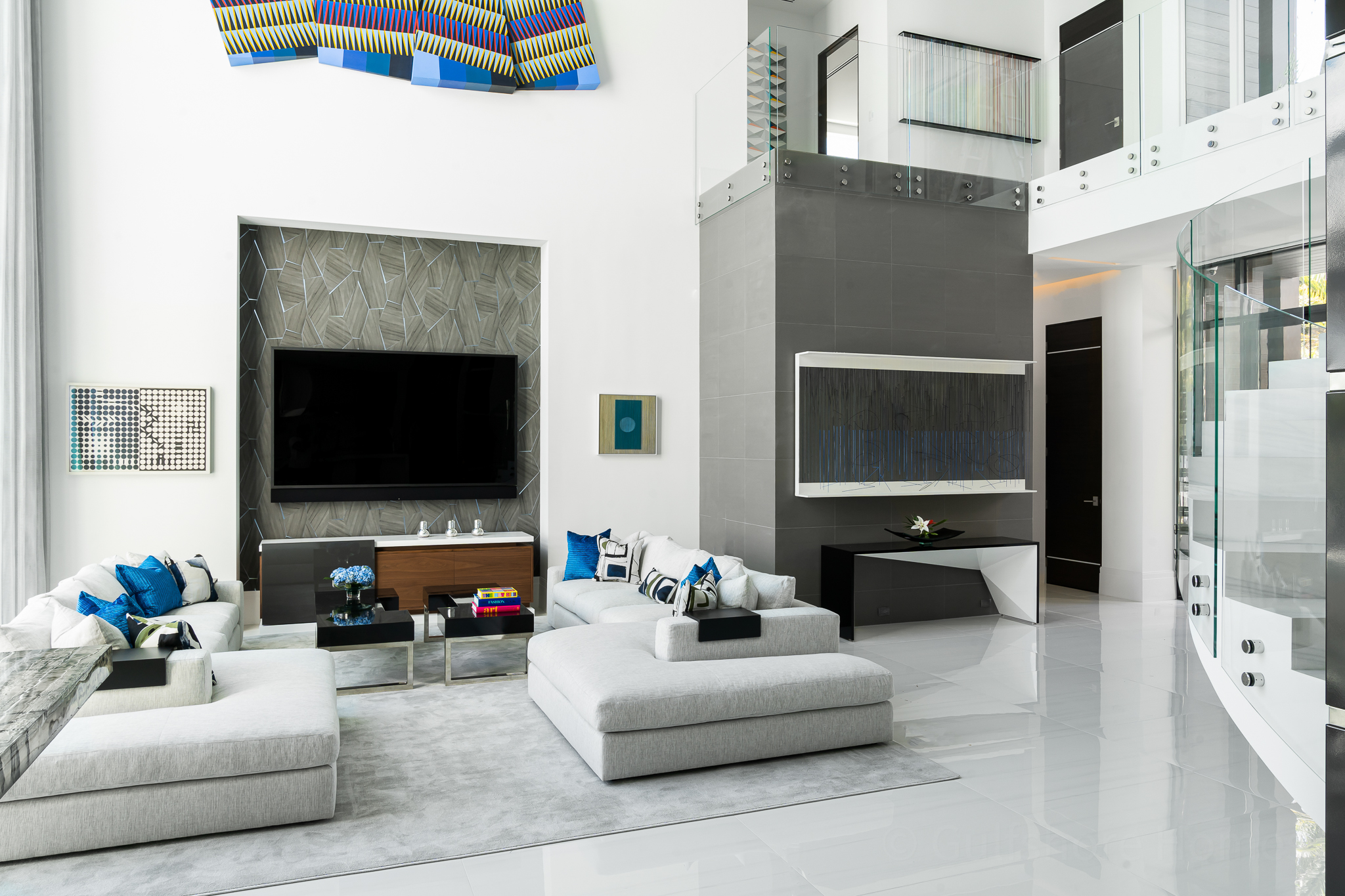
Modern home design is often defined by simplicity, openness, and a strong connection to the surrounding environment. It favors clean lines, expansive glass, natural light, and spaces that feel effortless and uncluttered.
In luxury modern homes, design often includes:
- Open-concept living spaces
- Floor-to-ceiling windows
- Minimalist architectural details
- Sleek finishes and refined materials
- Seamless indoor-outdoor transitions
Modern homes are designed to feel light, spacious, and intentional. Rather than relying on ornamentation, they create interest through proportion, materials, and the way each space flows into the next.
In Southwest Florida, modern design often pairs beautifully with the coastal landscape. Large windows capture water, golf course, or garden views, while outdoor living areas become a natural extension of the home. The result is a residence that feels fresh, serene, and deeply connected to its setting.
Understanding Traditional Home Design
Traditional home design is rooted in timeless architecture, classic details, and a sense of warmth. It often draws inspiration from established architectural styles, using symmetry, craftsmanship, and refined finishes to create a home that feels elegant and enduring.
Traditional luxury homes may feature:
- Detailed millwork and molding
- Formal dining or entertaining spaces
- Classic rooflines and elevations
- Rich textures and layered finishes
- Defined rooms with purposeful layouts
While traditional design may feel more formal than modern design, it can still be highly livable and personalized. Today’s traditional homes are not limited to the past. They can incorporate open living areas, updated kitchens, smart technology, and contemporary comforts while preserving a sense of architectural heritage.
For homeowners who appreciate character, detail, and a more established sense of elegance, traditional design offers lasting appeal.
Modern vs Traditional Homes: Key Differences
The difference between modern vs traditional homes is most noticeable in the way each style approaches space, detail, and atmosphere.
Modern design tends to feel open, streamlined, and restrained. It often emphasizes negative space, natural light, and a limited palette of materials. Traditional design tends to feel warmer, more detailed, and more layered, with architectural elements that add depth and character.
Modern homes might make a statement through clean geometry and expansive glass. A traditional home might create its impact through custom millwork, graceful proportions, and carefully selected finishes.
Neither approach is better than the other. The right choice depends on the kind of luxury experience you want your home to create.
How Each Style Shapes Daily Living
Design is most successful when it supports everyday life. Luxury modern homes often appeal to homeowners who value open entertaining, relaxed movement between spaces, and a sense of visual calm. It can feel ideal for those who want a home that is sophisticated yet understated.
Traditional home design often appeals to those who value comfort, definition, and timeless details. It can create a sense of intimacy, with spaces that feel distinct and thoughtfully composed.
For example, a modern luxury kitchen may feature sleek cabinetry, hidden storage, and an oversized island designed for gathering. A traditional kitchen may include custom cabinetry, statement hardware, detailed stonework, and a layout that feels warm and inviting.
Both can be luxurious. The distinction lies in how that luxury is expressed.
The Beauty of Transitional Design
For many homeowners, the answer is not strictly modern or traditional. Transitional design blends elements of both, creating a balance between timeless elegance and contemporary ease.
A transitional luxury home may pair clean architectural lines with warm natural materials. It may include classic proportions, but with simplified detailing. It may feature open living spaces while still preserving a sense of structure and comfort.
This approach is especially well suited for custom homes because it allows homeowners to create something highly personal. Rather than fitting into one category, the home can be designed around how you want to live.
Exploring Gulfshore Homes’ project portfolio can also help homeowners see how different architectural styles come to life through materials, scale, setting, and craftsmanship. Transitional design can feel refined, current, and enduring all at once, making it a popular choice for homeowners who want a residence that feels fresh without becoming overly trend-driven.
Choosing the Right Style for Your Custom Home
When building a custom home and deciding between modern vs traditional homes, consider how you want your home to feel from the moment you arrive.
Do you prefer clean lines, open spaces, and a minimalist aesthetic? Modern design may be the right direction. Do you gravitate toward architectural detail, classic finishes, and a sense of warmth? Traditional design may feel more natural. If you appreciate both, a transitional approach may offer the perfect balance.
It is also important to consider the homesite, surrounding views, lifestyle needs, and long-term goals for the home. A waterfront property may lend itself beautifully to expansive glass and indoor-outdoor living. A private estate setting may call for a more timeless architectural presence. Every decision should work together to create a home that feels cohesive, intentional, and uniquely yours.
Luxury Is Found in the Details
Whether modern, traditional, or somewhere in between, true luxury is defined by quality and intention. The finest homes are not simply designed to follow a style. They are crafted to reflect the people who live in them.
That means every detail matters, from the architectural form to the finishes, lighting, cabinetry, outdoor spaces, and flow of the floor plan. A successful luxury home should feel beautiful, but also effortless. It should support entertaining, quiet moments, daily routines, and future memories with equal care.
Modern and traditional homes may differ in appearance, but both can deliver a higher standard of living when guided by craftsmanship, personalization, and thoughtful planning.
Creating a Home That Reflects You
The conversation around modern vs traditional homes is ultimately a conversation about lifestyle. Your home should reflect your taste, your priorities, and the way you want to experience each day.
Whether your vision is sleek and contemporary, classic and timeless, or a refined blend of both, Gulfshore Homes can help bring that vision to life with a custom home designed around you.
If you are ready to begin planning a custom luxury home in Southwest Florida, Gulfshore Homes is here to guide you through every step of the process. Schedule a consultation and create a home that is uniquely yours, a place where lasting memories are made, milestones are celebrated, and every detail reflects the life you envision for years to come.